
A recall is a timed exam. You do not get to revise.
Food manufacturing has one question that matters more than the rest: if a batch is bad, what else is affected, where is it now, and can you prove it in an afternoon?
We configure Business Central so that answer is a query and not a fire drill: recipe management, FEFO picking, and lot-to-expiry traceability from goods-in to dispatch, with quality holds that stop a suspect batch before it reaches a customer.
Trace it in minutes, not days.
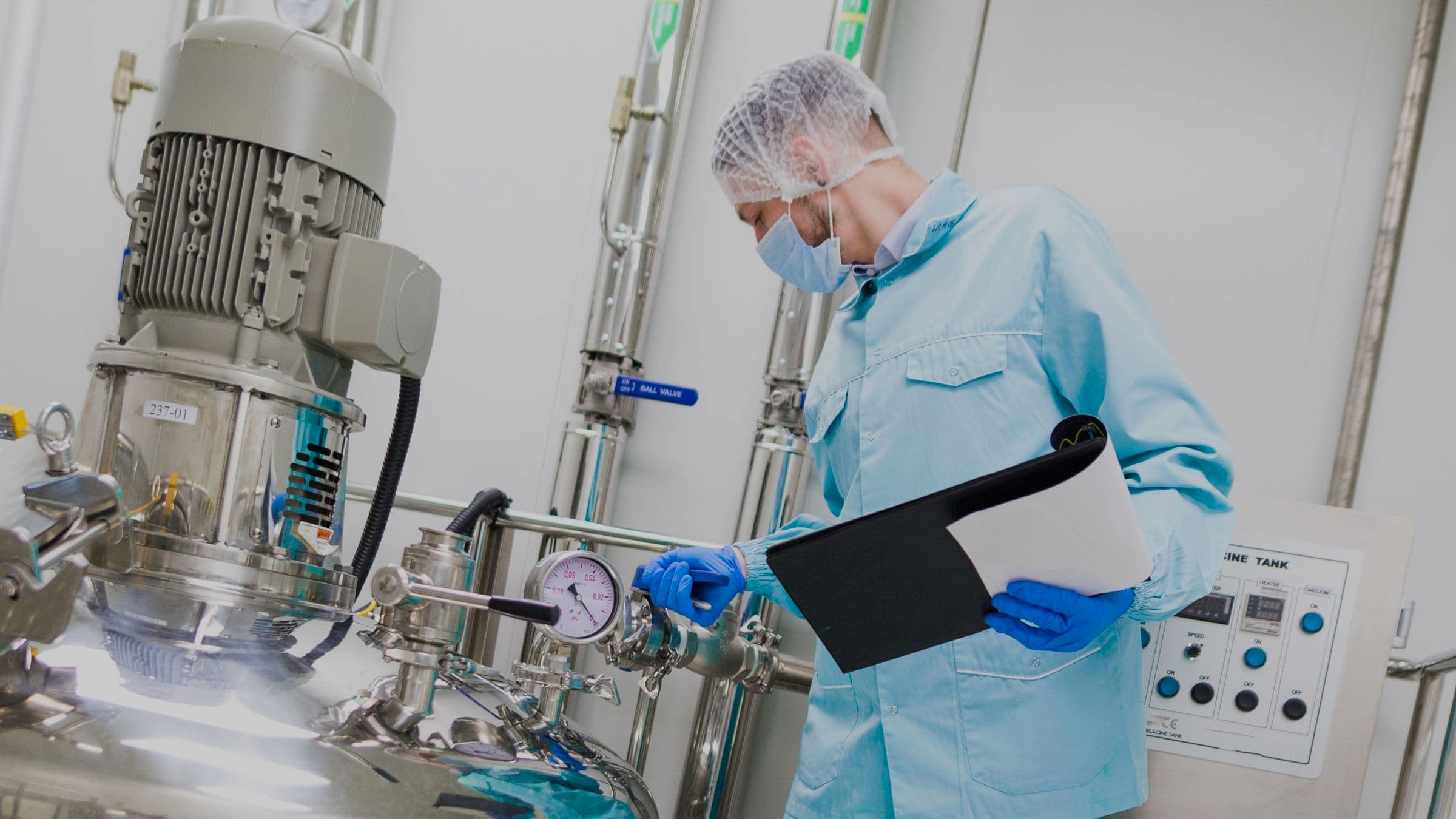
Batch, expiry, and recall readiness baked into every order.
What makes Food hard
The things a generic ERP quietly gets wrong.
- Recall scope reconstructed from paper records under time pressure
- Picking by date entered rather than date expiring
- Recipe versions living in a spreadsheet the auditor never sees
- Quality holds enforced by a sticker and someone's memory
- Yield loss in the batch process absorbed and never measured
What we configure
Business Central, set up for food - not for a distribution template.
Recipe and formula management
Versioned recipes with scaling, substitutions and allergen data held in the system of record, not in a shared drive.
Lot-to-expiry traceability
Every lot traced from goods-in through production to the customer it shipped to, the recall query answered in minutes.
FEFO picking
First-expired-first-out enforced by the system at the point of picking, so short-dated stock moves before it becomes a write-off.
Quality holds and release
A batch under test cannot be picked. The hold is a system state, not a sticker on a pallet and a hope.
Batch yield and giveaway
Expected versus actual yield per batch, with overfill giveaway measured, the margin most food plants lose without noticing.
Built in-house
Where Business Central stops short of a food floor, we already built the rest.
Production QR Code
Scan it. Post it. Trace it.
Production QR Code, used in Food Manufacturing. ExploreProduction Portal
The shop floor, logged in.
Production Portal, used in Food Manufacturing. ExploreProduction Planner
Finite capacity, visible weeks ahead.
Production Planner, used in Food Manufacturing. Explore
Proof
What it looks like in practice
- To scope a full recall
- Minutes
- Picking enforced by the system
- FEFO
- Yield and giveaway measured
- Per-batch
“We ran a mock recall for our auditor. Twenty minutes, start to finish, including the customer list. He asked us to run it again because he did not believe it.”
Common questions
Food, answered.
Is Business Central suitable for food manufacturing?
With the right configuration, yes: lot tracking, expiry dates and quality holds are all supported. The work is in setting FEFO, recall traceability and recipe versioning up properly, which is where most generic implementations stop short.
How fast can we scope a recall?
Minutes, if lot traceability is configured end to end. The system holds the link from supplier lot through batch to the customer despatch, so the affected set is a query rather than an archaeology project.
Can it handle allergens and quality specs?
Yes, held against the recipe and carried through to the batch, with a hold that blocks picking until QA releases it.
Start here
Bring us your food operation. We already speak the language.
A working session, not a sales call. You will leave with a straight answer on what Business Central can do for this operation, what it cannot, and what closing that gap actually costs.